You got into the vehicle expecting a simple ride across Baton Rouge, maybe along Nicholson Drive near LSU or heading down Airline Highway. Instead, everything changed in seconds, and now you are left dealing with injuries, medical care, and the confusion of who is actually responsible in a rideshare accident.
Baton Rouge rideshare traffic risks and accident patterns
Rideshare drivers move through some of the busiest parts of Baton Rouge every day. Areas around LSU, Highland Road, and downtown often involve constant stops, heavy traffic, and frequent pickups.
Drivers are watching their phones for ride requests, directions, and passenger updates. That split attention can lead to missed signals, unsafe turns, and sudden stops that cause serious crashes.
Louisiana laws and Uber Lyft insurance coverage rules
Rideshare accidents involve layered insurance coverage that depends on what the driver was doing at the time. If the driver was logged into the app but had not accepted a ride, one level of coverage applies. If a passenger was in the vehicle, higher coverage limits may be available.
Under Louisiana Civil Code Article 2315, you may recover damages when your injuries are caused by another party’s fault. Louisiana Civil Code Article 2323 also applies, which means fault can be shared between multiple drivers depending on how the crash occurred.
Baton Rouge Uber and Lyft accident situations people experience
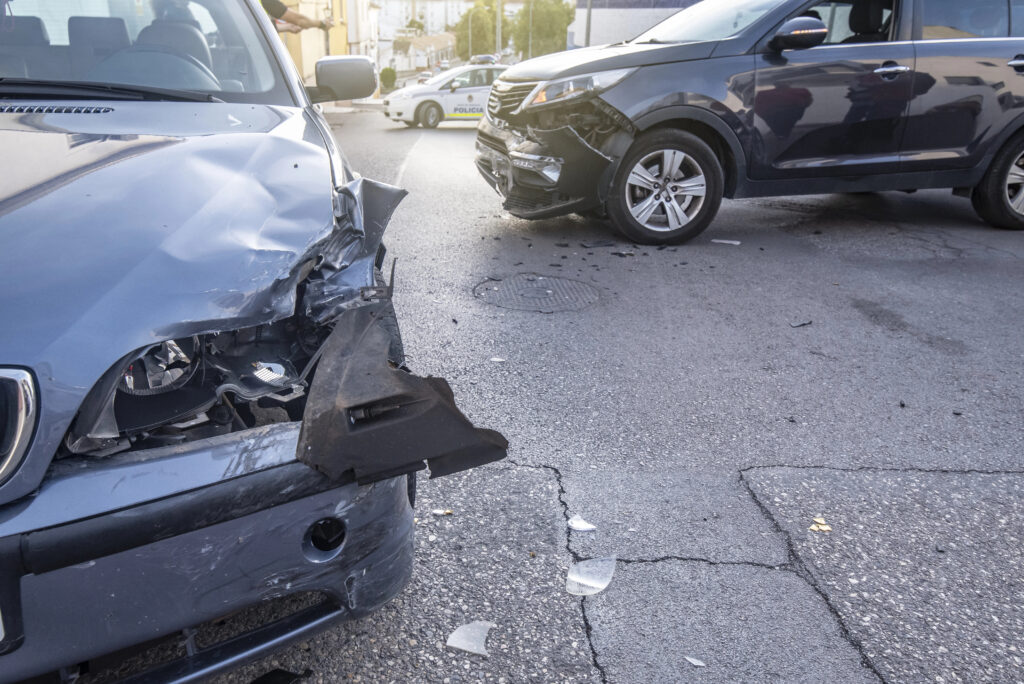
You may have been a passenger when your driver failed to yield near a busy intersection like Bluebonnet Boulevard. You might have been driving your own vehicle when a rideshare driver made a sudden lane change without warning.
Some people are injured when another driver hits a rideshare vehicle, leaving passengers caught in the middle of a situation they had no control over.
Injuries that often result from rideshare crashes
Rideshare accidents can lead to more than short term discomfort. You may be dealing with back injuries, head trauma, or joint damage that affects how you move each day.
In more serious cases, injuries require ongoing treatment, physical therapy, or extended time away from work, adding pressure to an already difficult recovery.
What makes rideshare accident claims more complicated
These cases are more complex than standard car accidents because multiple insurance policies may apply. The driver’s personal insurance, the rideshare company’s coverage, and another driver’s policy may all become part of the claim.
Insurance companies often look for ways to shift responsibility between policies. This can delay the process and create confusion about who is supposed to cover your losses.
Steps to take after an Uber or Lyft accident in Baton Rouge
Seeking medical attention early helps connect your injuries to the crash. Even if symptoms seem minor, they can worsen over time and need proper documentation.
You should also report the incident through the rideshare app, take photos of the scene, and note details about the driver, vehicle, and location while everything is still fresh.
Evidence that builds a Baton Rouge rideshare injury case
Strong cases rely on detailed evidence. This can include police reports, medical records, photos of the crash, and witness statements.
In rideshare cases, app data showing the driver’s status at the time of the crash can be critical in determining which insurance policy applies.
Who may be responsible for a rideshare accident
Responsibility may involve the Uber or Lyft driver, another driver, or both. In some situations, the rideshare company’s insurance coverage becomes part of the claim depending on whether the driver was active on the app.
The key question is who caused the crash and what coverage was in place at that exact moment.
Compensation after a Baton Rouge Uber or Lyft accident
The impact of a rideshare accident often goes beyond the initial injury. Medical care, missed work, and ongoing treatment can affect your financial stability.
Compensation may include those losses along with the way the injury affects your daily life, including pain, limitations, and changes to your routine.
Louisiana deadline for filing rideshare injury claims
Under Louisiana Civil Code Article 3492, you generally have one year from the date of the accident to file a claim.
Waiting can make it harder to gather evidence, especially when rideshare data, witness accounts, and scene details become less available over time.
Baton Rouge Uber and Lyft Injury Lawyer guidance from Rozas Law Firm
You are trying to sort through injuries, insurance confusion, and pressure from multiple directions after a Baton Rouge rideshare accident. Baton Rouge Uber and Lyft injury lawyer guidance from Rozas Law Firm helps you understand how these claims work, what evidence matters, and how to move forward with a clearer view of your options.
Baton Rouge Uber and Lyft injury lawyer frequently asked questions
Can I file a claim if I was a passenger in an Uber or Lyft?
Yes? Passengers are rarely at fault and may be able to recover compensation through the rideshare company’s insurance or other involved policies.
What if the Uber or Lyft driver was not at fault?
You may still have a claim against the other driver who caused the crash, and additional insurance coverage may apply depending on the situation.
How does Uber and Lyft insurance coverage work?
Coverage depends on whether the driver was offline, waiting for a ride request, or actively transporting a passenger at the time of the crash.
What compensation can I recover after a rideshare accident?
You may be able to recover medical expenses, lost income, and compensation for how the injury affects your daily life.
How is fault determined in a Baton Rouge rideshare accident?
Fault is based on evidence such as police reports, witness statements, and how the crash occurred, along with Louisiana’s comparative fault rules under Article 2323.
How long do I have to file a rideshare injury claim in Louisiana?
You generally have one year under Louisiana Civil Code Article 3492 to take legal action after the accident.